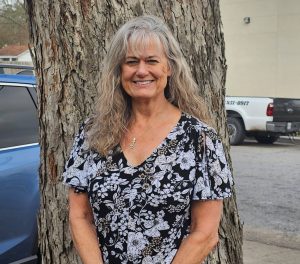
I am a practicum student currently pursuing my master’s degree in Clinical Mental Health Counseling at Grand Canyon University.
My professional journey began as an adolescent drug and alcohol counselor in college, followed by over twenty-five years of service with the Federal Bureau of Prisons from 1990 to 2016. In this role, I developed and led a variety of mental health programs for both staff and incarcerated individuals. I also served as a team leader for Crisis Support and Disturbance Control Teams, and Command Centers, and coordinated specialized programs such as dog training and reentry initiatives for inmates. My responsibilities included overseeing two units with seven staff members and 500 inmates and was honored to facilitate speaking engagements at Texas A&M, TDCJ, and Brazos County Law Enforcement. After my tenure at the Bureau, I transitioned to serving as an at-home caregiver, providing essential support to elderly and disabled individuals. I also volunteered at Brazos Fellowship Church’s children’s center, and participated in Aggieland Pets with a Purpose, bringing my service dog to nursing homes and schools. Driven by a passion for supporting others, I now focuses on a trauma-informed counseling approach that integrates somatic experiencing techniques.
I will be providing evidenced-based mental health services informed by a holistic trauma-informed, and culturally responsive framework that recognizes the interconnectedness of mind, body, and spirit. Holistic strategies maybe incorporated with client consent; however, all services will remain strictly within the professional scope of counseling and do not include medical, nutritional or alternative healthcare treatment. Clients have the right to ask questions, decline any intervention, and practice actively in treatment planning. Confidentiality is maintained in accordance with applicable laws and professional ethical standards, and referrals or collaborative care will be offered when client needs extend beyond the scope of the counseling practice. I am committed to delivering evidence-based mental health services that draw from a holistic, trauma-informed, and culturally responsive approach, acknowledging the close connection between mind, body, and spirit.
I believe the counseling relationship is a collaborative, professional partnership in which the counselor and client work together to explore concerns, strengthen insight, and support meaningful change. This relationship is grounded in trust, empathy, cultural humility, and respect for the client’s autonomy. The counselor provides a safe, non-judgmental environment that fosters open communication and emotional safety, while maintaining clear ethical and professional boundaries. Within this relationship, clients are encouraged to participate actively in setting goals, evaluating progress, and shaping the direction of their care. Counseling can lead to a variety of positive effects, including increased self-awareness, improved coping skills,
enhanced emotional regulation, healthier relationships, and greater overall well-being. Clients may experience relief from distress, develop new perspectives, and build resilience. At the same time, counseling may also bring up difficult emotions or memories as part of the healing process, and progress can vary depending on individual needs, readiness, and external factors. The counselor supports clients through these experiences while adhering to ethical standards, evidence-based practice, and the client’s right to self-determination.

